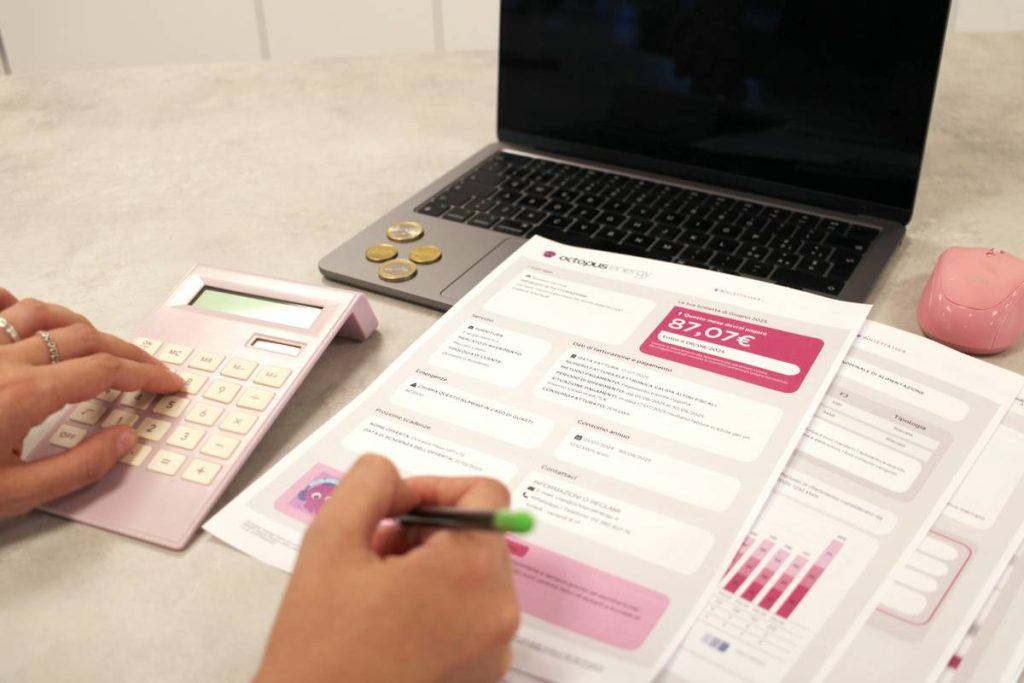
You swipe. You click. You buy. And then—you wonder where it all went. The problem isn’t your income. It’s the invisible leaks in your daily decisions. Agitation? That $4 coffee, 5 times a week, quietly drains $1,040 a year—enough for an emergency fund starter. Here’s the fix: a smart conscious spending habits analysis that targets impulse, not guilt.
Why Budgeting Alone Fails Most People
Traditional budgeting treats symptoms, not causes. You track every dollar but ignore the emotional triggers behind them. And that spreadsheet won’t stop you from clicking “Buy Now” at 2 a.m. after a stressful day. The real issue? Impulse costs masquerade as needs. That “essential” subscription or “limited-time” deal? Often engineered distraction—not choice.
Behavioral economics shows we’re wired for instant reward. Yet financial advice still pushes willpower like it’s infinite. It’s not. And until you analyze the *why* behind each purchase, you’ll keep cycling through failed budgets.
Smart Conscious Spending Habits Analysis: A Tactical Framework
This isn’t about deprivation. It’s about alignment. Spend intentionally on what truly matters—cut ruthlessly on everything else. Follow these steps:
Map Your Emotional Triggers
Keep a “spending journal” for 7 days. Not just amounts—but mood, time, and context. Were you bored? Lonely? Overwhelmed? Patterns emerge fast. One client discovered 68% of her non-essential spending happened within 30 minutes of checking social media. She muted shopping influencers—and saved $220/month overnight.
Assign a “Purpose Score” to Every Expense
Rate each recurring cost from 1–10: How much does it actively support your values, goals, or well-being? Gym membership you never use? Score: 2. Therapy session that stabilizes your mental health? Score: 9. Keep only what scores 7+. The rest? Cancel, downgrade, or pause.
Implement the 24-Hour Rule for Non-Essentials
No purchase over $50 without a full day’s reflection. Sleep on it. Often, the urge evaporates. When it doesn’t—ask: “Does this move me closer to who I want to be?” If the answer’s fuzzy, walk away.

| Spending Type | Avg. Monthly Cost (CAD) | Hidden Annual Impact | Conscious Alternative |
|---|---|---|---|
| Daily Takeout Coffee | $120 | $1,440 + $216 tax | Brew at home; reserve café visits for social connection |
| Unused Subscriptions | $45 | $540 + auto-renewal creep | Monthly “subscription audit”—cancel 1 unused service |
| Impulse Online Buys | $90 | $1,080 + shipping waste | Use browser extension to enforce 24-hr cart hold |

The Industry Secret: Friction Is Your Friend
Big Finance wants frictionless spending. One-click checkout. Saved cards. Digital wallets. They profit when you act without thinking. But here’s the contrarian truth: Intentional friction builds wealth. Add steps between desire and purchase. Delete payment info from browsers. Use cash envelopes for discretionary categories. Require a handwritten note justifying buys over $100. These “delays” aren’t obstacles—they’re filters. They force your prefrontal cortex back online. And that’s where real financial freedom lives.
Frequently Asked Questions
What’s the difference between conscious spending and minimalism?
Conscious spending prioritizes value alignment—not low consumption. You might spend heavily on travel if it fuels your growth, but skip fast fashion that doesn’t.
How often should I run a smart conscious spending habits analysis?
Quarterly. Life changes—your spending should reflect current priorities, not last year’s autopilot choices.
Can this work with irregular income?
Absolutely. Base your “purpose score” on percentages, not fixed amounts. Allocate 80% of earnings to essentials/values, 20% to flexibility.