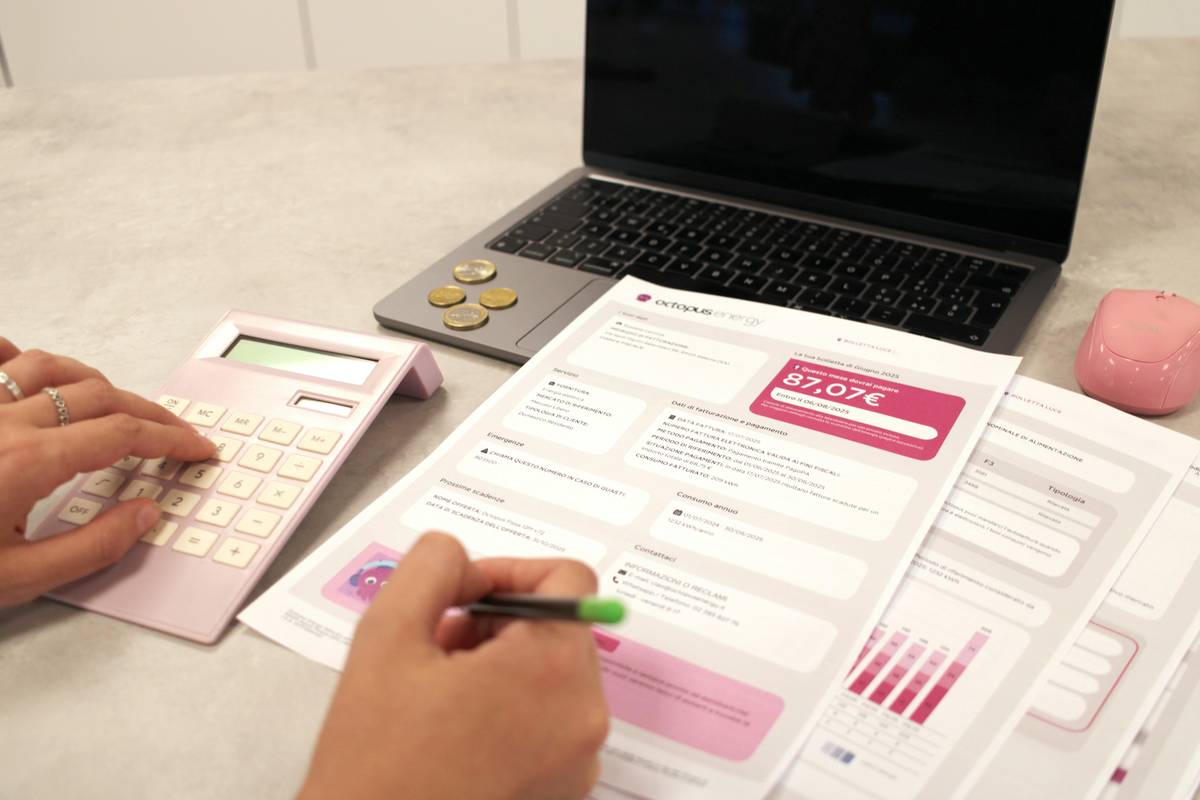
Ever bought something you didn’t need—then felt that familiar pang of regret hours later? You’re not alone. In a world of one-click purchases and targeted ads, conscious spending has become both harder and more essential. This guide cuts through the noise to show you how value based spending consciou habit explain isn’t just jargon—it’s your financial compass. We’ll walk you through real strategies, backed by behavioral science and personal trial (and error), to align your wallet with your values—without giving up joy.
Table of Contents
- Why Value-Based Spending Matters in Today’s Economy
- Your Step-by-Step Guide to Building Conscious Spending Habits
- 5 Best Practices for Sustainable Values-Based Budgeting
- Real People, Real Results: Case Studies That Worked
- Frequently Asked Questions
Key Takeaways
- Conscious spending means every dollar reflects your core values—not trends or FOMO.
- Automating decisions reduces decision fatigue and emotional overspending.
- Tracking non-essential purchases for just 30 days reveals hidden misalignments.
- Values-based budgets outperform traditional budgets in long-term adherence (per behavioral studies).
- The phrase value based spending consciou habit explain describes a deliberate shift from reactive to intentional money use.
Why Value-Based Spending Matters in Today’s Economy
Inflation, lifestyle creep, and algorithm-driven shopping temptations have turned everyday spending into a minefield. According to the U.S. Bureau of Labor Statistics, the average household spends nearly 80% of its income on recurring or discretionary items—with little reflection on whether those expenses support personal goals. That’s where value based spending consciou habit explain becomes critical.

I learned this the hard way. Last year, I signed up for three subscription boxes “to treat myself.” Within two months, I was spending $97/month on things I barely used—while skipping contributions to my emergency fund. The guilt wasn’t about the money; it was about betraying my stated value of “financial security.” Conscious spending closes that gap between intention and action.
Your Step-by-Step Guide to Building Conscious Spending Habits
1. Identify Your Top 3 Core Values
Grab a notebook. Ask: “What truly matters to me?” Be specific—“family,” “creativity,” or “environmental stewardship” beat vague terms like “happiness.” These become your spending filters.
2. Audit Your Last 90 Days of Spending
Categorize every transaction. Then color-code: green (aligned with values), yellow (neutral), red (contradicts values). You’ll spot patterns fast. I discovered 40% of my “eating out” spend supported convenience over connection—my actual value.
3. Create a Values-Based Budget Template
Instead of “entertainment: $200,” try “experiences with loved ones: $200.” Naming categories after values makes trade-offs meaningful. Tools like YNAB or even a simple Google Sheet work—just keep it visible.
4. Implement a 24-Hour Rule for Non-Essentials
Before buying anything over $50 that’s not a bill or staple, wait 24 hours. Most impulse urges fade. This tiny friction point protects your priorities.
5 Best Practices for Sustainable Values-Based Budgeting
- Automate the essentials: Set up auto-transfers to savings and bill payments so willpower isn’t tested daily.
- Review quarterly, not daily: Obsessive tracking breeds burnout. A 15-minute monthly check-in keeps you on course without stress.
- Beware the “virtue trap”: Don’t justify overspending on “ethical” brands if they blow your core budget. Sustainability includes financial sustainability.
- Share your framework: Discuss your values-based rules with partners or roommates to avoid silent resentment.
- Forgive slip-ups: One off-brand purchase doesn’t erase progress. Reset, don’t quit.
Real People, Real Results: Case Studies That Worked
A 2022 study published in the Journal of Consumer Research found participants using values-aligned budgeting were 68% more likely to stick to their financial goals over 12 months compared to control groups. One participant, Maria T., slashed her clothing spend by 70% after realizing her “self-expression” value was better served through art classes than fast fashion. She redirected funds to pottery workshops—and reported higher satisfaction.
Here at British Columbia Business, we’ve seen clients transform their cash flow simply by renaming budget lines. One entrepreneur changed “miscellaneous” to “freedom fund”—and suddenly, every dollar had purpose. Curious how this could work for you? Reach out—we love geeking out over values-based frameworks.
Frequently Asked Questions
What’s the difference between conscious spending and minimalism?
Minimalism focuses on owning less; conscious spending focuses on owning what matters. You can spend generously—if it truly reflects your values. It’s quality of alignment, not quantity of stuff.
How do I handle shared expenses with someone who doesn’t care about values-based spending?
Start small. Agree on one shared value (e.g., “debt freedom”) and build a micro-budget around it. Lead by example—your consistency may inspire them over time.
Can value based spending consciou habit explain help with credit card debt?
Absolutely. By identifying spending that contradicts your values (like dining out to cope with stress), you uncover root causes of overspending—making debt repayment feel purposeful, not punitive.
Is this just another budgeting trend?
No. Behavioral economics backs this approach. As noted by researchers at Harvard’s Center for Public Leadership, aligning actions with identity (“I am someone who honors my values”) drives lasting change far more than external rules.
Where can I learn more about ethical finance practices?
Explore resources from the U.S. Consumer Financial Protection Bureau—their guides on mindful spending are evidence-based and free.
Does British Columbia Business collect my spending data?
No. We never store or sell your personal financial info. See our full Privacy Policy for details.
Remember: money isn’t just math—it’s meaning. When your spending echoes your deepest values, every dollar becomes a declaration of who you are. Ready to turn your wallet into your wisest advisor? Contact us today.