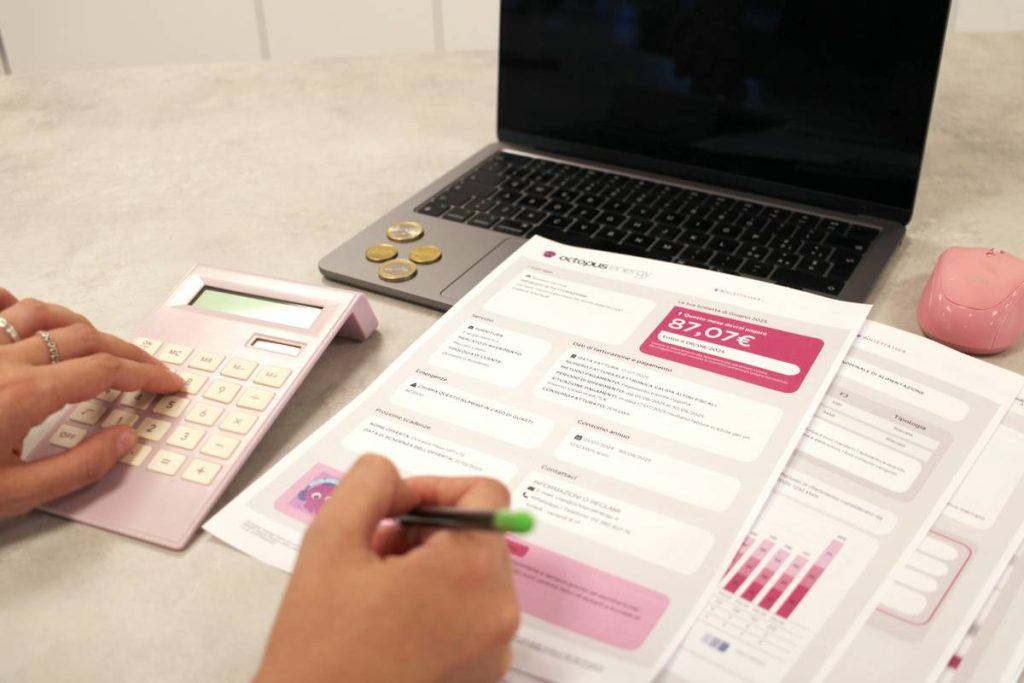
You swipe. You click. You buy. And later? Regret pools like spilled coffee on your budget spreadsheet. This isn’t just about overspending—it’s about impulse cost analysi consciou habit impact eroding your financial foundation, one “harmless” purchase at a time. But what if you could intercept that reflex before it drains your account?
Why Budgeting Alone Fails Against Impulse Spending
Most budgets treat symptoms, not the neural wiring behind spending.
You track categories, cap limits—but still blow $47 on “just one more” skincare serum at 2 a.m. Why? Because traditional finance ignores the habit loop: cue → routine → reward.
And until you disrupt that loop, you’re just rearranging deck chairs on the Titanic.
impulse cost analysi consciou habit impact: Your 4-Step Rewire Protocol
This isn’t austerity. It’s awareness with teeth.
Step 1: Map Your Impulse Triggers (Not Just Expenses)
Track not what you bought—but where you were, who you were with, and what emotion
Step 2: Assign a True Cost—Including the Hidden One
A $6 latte isn’t just $6. Multiply it by frequency, plus the opportunity cost of invested capital. Missed compound growth? That’s part of the impulse bill too.
Step 3: Build a 10-Minute Friction Buffer
Delay non-essential purchases by 600 seconds. Not 24 hours—that’s too easy to override. Ten minutes forces prefrontal cortex engagement. Often, the urge evaporates like morning fog.
Step 4: Replace, Don’t Restrict
Craving retail therapy? Swap it for a dopamine alternative: a walk, a creative micro-task, or calling a friend. Deprivation fuels rebellion. Substitution builds new neural pathways.

| Traditional Tracking Method | Conscious Spending Intervention | Long-Term Impact on Habit Formation |
|---|---|---|
| Logging expenses in an app post-purchase | Capturing emotional state + physical context before spending | Identifies root triggers; enables preemptive action |
| Monthly category limits | Daily “impulse allowance” with mandatory 10-minute pause | Builds decision muscle without triggering scarcity mindset |
| Reviewing statements weekly | Weekly reflection on *replaced* impulses (e.g., “I walked instead of buying shoes”) | Reinforces identity shift: “I’m someone who chooses intentionally” |

The Industry Secret: Banks Profit From Your “Frictionless” Habits
Here’s what no fintech app tells you: payment systems are engineered for speed, not reflection. One-click checkout? Saved cards? They reduce cognitive load—on purpose. Less thinking = more spending.
But—and this is key—conscious spending isn’t anti-tech. Use automation against itself: set rules that force pauses, block impulse sites during weak hours, or auto-divert “saved” impulse funds into a high-yield micro-investment. Turn their design against them.
Frequently Asked Questions
How do I calculate the true lifetime cost of an impulse buy?
Multiply the amount by how often you’d repeat it yearly. Then apply a 7% annual return assumption—if invested instead. A $5 daily coffee = $1,825/year → ~$25,000 lost over 10 years. That’s your real cost.
Can conscious spending work for low-income earners?
Absolutely. Impulse hits harder when margins are thin. Even $3 saved consistently builds psychological momentum. Focus on frequency reduction, not dollar size. One skipped impulse = one win.
What if I keep failing the 10-minute rule?
Good. Failure means you’re practicing. Track how long the urge lasts post-pause. Often, it’s under 90 seconds. Each attempt rewires your brain—success isn’t binary.