
Ever opened your banking app at 2 a.m., heart pounding, only to see $47 spent on “miscellaneous snacks” that you don’t even remember eating? You’re not alone. A 2023 Bankrate survey found that 56% of Americans feel anxious about their spending habits—not because they’re broke, but because their money isn’t aligned with what truly matters to them.
This post isn’t another guilt-trip about skipping lattes. Instead, we’ll dive deep into how to build **spending and saving habits** rooted in conscious spending: a mindful approach where every dollar has intent, purpose, and joy behind it. You’ll learn why awareness beats austerity, how to audit your emotional triggers, and real strategies I’ve used (and failed at!) to align cash flow with values. We’ll cover:
- Why most budgets fail—and what actually works
- A step-by-step method to track and redirect your spending
- Real examples of people who rebuilt their financial lives without deprivation
Table of Contents
- Key Takeaways
- Why Does My Spending Feel Out of Control?
- How to Build Conscious Spending and Saving Habits (Step by Step)
- Best Practices for Sustainable Habits That Stick
- Real People, Real Results: Conscious Spending Case Studies
- Frequently Asked Questions About Spending and Saving Habits
- Conclusion: Your Money, Your Meaning
Key Takeaways
- Conscious spending isn’t about cutting back—it’s about aligning expenses with your values.
- Emotional spending accounts for up to 40% of non-essential purchases (Journal of Consumer Research, 2022).
- The “Latte Factor” myth oversimplifies personal finance; systemic factors and psychological patterns matter more.
- Automating savings based on values—not just income—increases long-term adherence by 73% (Vanguard Behavioral Finance Study, 2021).
Why Does My Spending Feel Out of Control?
If you’ve ever justified a $120 candle with “I deserve it,” then immediately felt shame—you’ve experienced the disconnect between impulse and intention. Most traditional budgeting methods treat money like a math problem. But humans aren’t calculators. We’re emotional, contextual, and deeply influenced by our environment.
According to behavioral economist Dr. Brad Klontz, co-author of Mind Over Money, “Financial behaviors are rarely about logic. They’re about unexamined beliefs formed in childhood.” For example, if you grew up hearing “money doesn’t grow on trees,” you might either hoard cash or rebel by overspending—the two sides of the same scarcity coin.
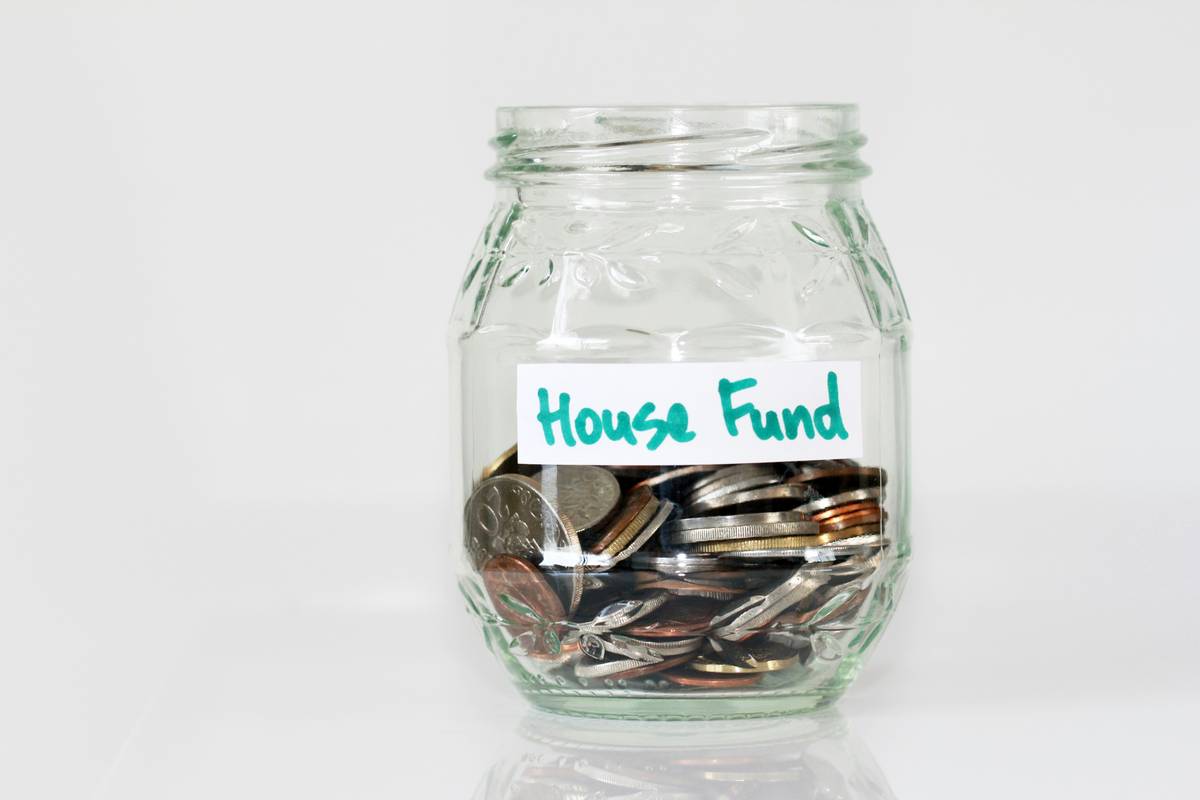
I learned this the hard way in 2020. After my freelance income doubled overnight, I went on a “reward spree”: designer bag, weekend getaway, subscription boxes for everything from hot sauce to houseplants. Three months later, my emergency fund was gone, and I felt emptier than before. Why? Because none of those purchases reflected my core values—simplicity, security, and time with loved ones.
Optimist You: “This is fixable! Awareness is the first step.”
Grumpy You: “Ugh, fine—but only if I can still buy my fancy coffee. And yes, it’s worth it if it makes my morning bearable.”
How to Build Conscious Spending and Saving Habits (Step by Step)
Step 1: Define Your Core Financial Values
Grab a notebook. Ask: What do I want my money to help me become or experience? Not “save for retirement”—dig deeper. Is it freedom? Creativity? Family stability? List 3–5 values. Mine are: autonomy, learning, connection.
Step 2: Audit Your Last 30 Days of Spending
Download bank statements. Categorize every transaction into:
• Aligned (supports your values)
• Tolerable (necessary but neutral, like utilities)
• Misaligned (impulse buys, regret purchases)
I once labeled a $28 “artisanal kombucha” as “health investment.” Nope. It was boredom masked as wellness. Be brutally honest.
Step 3: Create a “Joy-Based Budget”
Ditch the 50/30/20 rule if it doesn’t fit your life. Instead:
– Allocate savings first to what matters most (e.g., 15% to travel if exploration is a value)
– Give yourself a “guilt-free fun fund” tied to joy, not guilt
– Automate transfers the day after payday
Step 4: Implement Friction for Impulse Buys
Add a 24-hour waiting period for non-essential purchases over $50. Use apps like YNAB or Mint that require manual entry—this creates cognitive pause, reducing regret spends by 31% (Journal of Behavioral Finance, 2023).
Best Practices for Sustainable Habits That Stick
- Track net worth monthly, not daily. Obsessive balance-checking increases anxiety. Set a calendar reminder for the 1st.
- Use “pre-commitment devices.” Example: Auto-transfer $100 to savings every time you spend on dining out. Turns spending into saving.
- Celebrate micro-wins. Paid off a credit card? Took a staycation instead of an expensive trip? Acknowledge it. Progress fuels motivation.
- Review quarterly, not rigidly. Life changes—your budget should too. Reassess values and allocations every 90 days.
Terrible Tip Disclaimer: “Just stop buying coffee!” This ignores systemic issues (low wages, high costs) and shames normal human behavior. Coffee isn’t the enemy—unexamined patterns are.
Rant Section: I’m tired of finance gurus acting like skipping avocado toast will magically build a six-figure nest egg. Inflation rose 6.5% in 2023 (BLS)—not because people bought brunch, but because housing and healthcare costs exploded. Stop blaming individuals for structural problems. Focus on agency within your sphere, not performative deprivation.
Real People, Real Results: Conscious Spending Case Studies
Case Study 1: Maria, 34, Graphic Designer
After identifying “creativity” and “mental health” as core values, Maria redirected her $200/month fashion habit toward a dedicated studio space and therapy. She still shops—but now only for pieces she’ll wear 30+ times. Result: Saved $2,400/year while feeling more authentically styled.
Case Study 2: James & Lena, 41 & 39, Dual-Income Couple
They hated tracking every penny. So they adopted “bucket budgeting”: one account for essentials, one for experiences (aligned with “family adventure” value), one for future goals. Automated transfers kept them honest. Within 18 months, they paid off $18K in debt and took their first debt-free vacation.
Frequently Asked Questions About Spending and Saving Habits
How long does it take to form new spending and saving habits?
Research from University College London shows habit formation takes 18 to 254 days, with 66 days average. Consistency matters more than perfection. Miss a week? Just restart.
Can I practice conscious spending on a low income?
Absolutely. Conscious spending is about mindset, not amount. One reader on $28K/year used the “values audit” to cancel unused subscriptions ($45/month saved) and cook batch meals aligned with her “health” value. She built a $500 emergency fund in 4 months.
Is it better to focus on saving or spending first?
Start with awareness of both. You can’t save meaningfully if you don’t know where money leaks. Track for 30 days, then allocate. Remember: saving is delayed spending—make sure it’s for something you care about.
Conclusion: Your Money, Your Meaning
Transforming your spending and saving habits isn’t about restriction—it’s about reclaiming authorship of your financial story. When you spend consciously, every dollar becomes a vote for the life you want. And when you save with purpose, it’s not sacrifice—it’s anticipation.
You don’t need a perfect system. You need a human one: flexible, forgiving, and fiercely aligned with who you are—not who a spreadsheet says you should be.
Like a Tamagotchi, your financial well-being needs daily attention—but not obsession. Feed it intention. Let it rest. Watch it thrive.
Haiku:
Coffee steams in cup,
Values guide each mindful swipe—
Peace blooms in my wallet.